
Opioid Addiction Centers in Florida
Opioid Treatment Florida links you with SAMHSA-verified opioid treatment centers offering medical detoxification, residential programs, partial hospitalization (PHP), intensive outpatient (IOP), and standard outpatient services throughout Florida. Most facilities honor private insurance and Florida Medicaid. Browse our free directory to compare opioid rehab programs by level of care, city, and insurance — or contact our 24/7 helpline for same-day admission support.
Signs and Symptoms of Opioid Addiction
Opioid addiction is a chronic medical condition. Early recognition — in yourself or a loved one — enables rapid access to evidence-based opioid treatment and dramatically improves outcomes.
Physical Signs
- •Constricted (pinpoint) pupils
- •Drowsiness, nodding off, or loss of consciousness
- •Slowed breathing or respiratory depression
- •Track marks, bruises, or needle puncture sites on arms or other injection areas
- •Frequent skin infections or abscesses at injection sites
- •Constipation and reduced appetite
- •Flushed face or perspiration
Behavioral Signs
- •Taking opioid medication in higher quantities or more frequently than prescribed
- •Multiple failed attempts to reduce or stop opioid use
- •Significant time spent obtaining opioids, using them, or recovering from their effects
- •Abandonment of work, school, or home responsibilities
- •Persistent opioid use despite causing relationship damage
- •Withdrawal from important social, work, or recreational activities
- •Seeking opioids from multiple doctors or emergency rooms
Psychological Signs
- •Severe cravings for opioids
- •Mood instability, irritability, or agitation when unable to use opioids
- •Using opioids to escape stress, emotional pain, or trauma
- •Impaired judgment and weakened self-control
- •Anxiety about opioid access or running out of medication
If you notice these warning signs in yourself or someone else, reach out to +1 (888) 555-0199 for a complimentary, private opioid addiction assessment — 24 hours a day.
Opioid Treatment Program Types
Successful opioid addiction recovery progresses through structured levels of care — from medically supervised withdrawal through long-term outpatient support. The appropriate level depends on opioid dependence severity, co-occurring health conditions, and personal circumstances.
Medical Detox
3–7 daysMedically supervised opioid withdrawal under continuous nursing and physician oversight. Necessary for individuals with heavy opioid dependence before entering residential or outpatient opioid rehab. Medical detox reduces withdrawal-related mortality from up to 15% (untreated severe cases) to under 1%.
Residential Treatment (Inpatient)
28–90 days24/7 structured clinical care in a residential setting. Opioid rehab programs typically include cognitive behavioral therapy (CBT), group counseling, family therapy, and relapse prevention. Ideal for moderate-to-severe opioid use disorder or when the living environment doesn't support recovery.
Partial Hospitalization Program (PHP)
4–6 hours/day, 5 days/weekFull-day opioid treatment programming with the ability to sleep at home each evening. PHP acts as a transition from residential opioid rehab or an escalation from IOP, delivering intensive therapy while preserving some daily structure and family involvement.
Intensive Outpatient Program (IOP)
9–20 hours/weekStructured individual and group sessions for opioid recovery while maintaining employment, school, or family duties. IOP is the most typical transition after PHP or residential opioid treatment and suits mild-to-moderate opioid use disorder.
Standard Outpatient
1–3 sessions/weekOngoing individual therapy, group sessions, and relapse prevention for individuals making progress in opioid recovery. Many Florida centers offer alumni networks, peer support meetings, sober living connections, and virtual sessions for patients in remote areas.
Opioid Withdrawal: Symptoms, Timeline, and Medical Detox Support
Opioid withdrawal develops when a person physically dependent on opioids reduces or discontinues use. While typically not life-threatening, symptoms can be intense and uncomfortable. Medical opioid detox manages withdrawal safely under 24-hour medical supervision, significantly improving treatment completion rates.
Early (6–24 hours)
Restlessness, anxiety, pupil dilation, muscle aches, yawning, increased sweating, runny nose
Peak (24–72 hours)
Severe muscle and bone pain, nausea, vomiting, diarrhea, dilated pupils, insomnia, intense cravings, elevated heart rate and blood pressure
Resolution (7–10 days)
Gradual symptom improvement; fatigue, depression, and sleep problems may persist longer
Common Withdrawal Symptoms
Medical opioid detox with medication-assisted treatment significantly improves safety and comfort. Medications like buprenorphine, methadone, or naltrexone eliminate withdrawal symptoms, reduce cravings, and increase the likelihood of completing opioid rehab. Detoxification without medical support leads to high relapse rates.
Post-Acute Withdrawal Syndrome (PAWS) — featuring ongoing mood fluctuations, sleep problems, and cravings — can persist for weeks or months following acute withdrawal. Medication-assisted treatment (MAT) and consistent therapy substantially decrease PAWS symptoms and relapse risk.
Medication-Assisted Treatment (MAT) — FDA-Approved Options for Opioid Addiction
MAT blends FDA-approved opioid medications with behavioral counseling to treat opioid use disorder. SAMHSA and the American Society of Addiction Medicine (ASAM) consider MAT the gold-standard for opioid addiction — reducing overdose mortality by 50–70% and doubling opioid rehab completion rates.
Methadone
A complete opioid agonist given daily at licensed Opioid Treatment Programs (OTPs). Eliminates withdrawal discomfort and curbs cravings without creating euphoria at prescribed doses.
Severe opioid use disorder; patients needing structured daily supervision
Available exclusively at SAMHSA-licensed OTPs. Requires daily clinic attendance initially; take-home dosing approved after compliance demonstration.
Buprenorphine / Suboxone
A partial opioid agonist that reduces cravings and withdrawal without full opioid effects. Suboxone combines buprenorphine with naloxone to discourage misuse.
Mild to moderate opioid use disorder; patients preferring flexibility
Prescribed by waivered doctors in clinical or telehealth settings. Dispensable at regular pharmacies. No daily clinic requirement.
Naltrexone / Vivitrol
A full opioid antagonist that prevents opioid euphoria and sedation. Injectable Vivitrol maintains medication action for 30 days without daily dosing.
Opioid relapse prevention and maintenance following medically supervised detox (must be opioid-free 7–10 days before initiating)
Covered by most private insurance and Florida Medicaid. No addiction potential. Requires no specialized prescriber certification.
Naloxone / Narcan
Emergency overdose reversal administered via nasal spray or injection. Reverses opioid overdose in 2–3 minutes by displacing opioids from brain sites.
Overdose emergencies — not for ongoing opioid rehab but a critical life-saving intervention
Available without prescription at Florida pharmacies. State-sponsored free distribution via harm reduction organizations.
MAT is not 'substituting one substance for another.' These FDA-authorized medications restore brain chemistry to normal, minimize cravings, and reduce relapse — enabling focus on behavioral treatment and sustained recovery.
What Does Opioid Rehab Cost in Florida?
Opioid treatment pricing fluctuates based on program category, duration, and insurance. Most private insurance plans mandate opioid addiction treatment coverage under the Mental Health Parity and Addiction Equity Act, identical to other medical conditions.
| Program Type | Without Insurance | With Insurance |
|---|---|---|
| Medical Opioid Detox (7 days) | $1,500–$8,000 | Often covered fully |
| Residential Opioid Rehab (30 days) | $6,000–$30,000 | 50–100% covered |
| Partial Hospitalization — PHP (4 weeks) | $3,000–$10,000 | Typically covered |
| Intensive Outpatient — IOP (8 weeks) | $1,400–$5,000 | Majority of plans cover |
| Standard Outpatient (12 weeks) | $500–$2,000 | Co-payment structure varies |
Leading private insurers — including Blue Cross Blue Shield, Aetna, Cigna, UnitedHealthcare, and Humana — are mandated to provide opioid addiction treatment. Florida Medicaid covers substance use treatment comprehensively. Call our free helpline to confirm your insurance coverage in under 2 minutes.
How to Find the Right Opioid Rehab Center
Opioid Treatment Florida streamlines the process of finding accredited, insurance-compatible opioid treatment — from initial search to admission within 24 hours.
Browse & Evaluate
Filter our SAMHSA-verified directory by Florida city, ZIP code, insurance plan, level of care (medical detox, residential, PHP, IOP, outpatient), and opioid-specific treatment specialty. Each listing displays accreditation, insurance accepted, and available therapies.
Reach Our Support Team
Connect with a certified recovery counselor at +1 (888) 555-0199 — available 24 hours daily, at no cost, and confidential. Our team evaluates your situation, addresses your questions about opioid rehab options, and suggests programs tailored to your clinical requirements.
Confirm Insurance Coverage
Our specialist contacts your insurance provider directly to verify coverage, co-insurance amounts, and annual deductibles for opioid addiction treatment. For those without insurance, we explore Medicaid eligibility and Florida-funded program alternatives during the same conversation. This typically takes about 10 minutes with zero commitment.
Start Your Recovery
Following successful matching, most opioid rehab facilities offer admission within 24–48 hours. Your care team develops a customized plan incorporating medical detox, research-based approaches (CBT, MAT with naltrexone or buprenorphine, MI), and a 12-month recovery continuation plan.
How to Choose the Right Opioid Rehab in Florida
The ideal opioid rehab matches your clinical needs, insurance coverage, geographic location, and preferred treatment structure. Use these five factors to evaluate any opioid treatment program.
Accreditation
Verify Joint Commission Gold Seal certification, CARF accreditation, or NAATP participation — signifying adherence to quality care standards.
Evidence-Based Opioid Care
The center must provide CBT, MAT (buprenorphine, methadone, naltrexone), and individualized opioid addiction treatment — not exclusively group sessions or 12-step.
Dual Diagnosis Capability
If you experience co-occurring anxiety, depression, PTSD, or bipolar illness, select opioid rehab providing simultaneous psychiatric treatment.
Family Involvement
Quality opioid rehab integrates family therapy, education sessions, and continuous family participation — addiction disrupts entire family systems.
Aftercare & Relapse Prevention
Ask about alumni networks, peer recovery programs, sober living placements, and 12-month ongoing opioid addiction monitoring — opioid recovery extends far beyond initial discharge.
Critical Questions Before Selecting an Opioid Rehab
- 1.Which opioid treatment levels do you provide (medical detox, residential, PHP, IOP)?
- 2.Do you accept my insurance? What will I pay out-of-pocket?
- 3.Do you offer MAT with buprenorphine, methadone, or naltrexone?
- 4.How do you address co-occurring psychiatric and opioid addiction?
- 5.What does your alumni and aftercare network include?
- 6.What is your staff-to-patient ratio and provider qualifications?
Featured Opioid Rehab Centers
Explore our hand-picked selection of highly-rated facilities specializing in opioid addiction recovery with proven outcomes
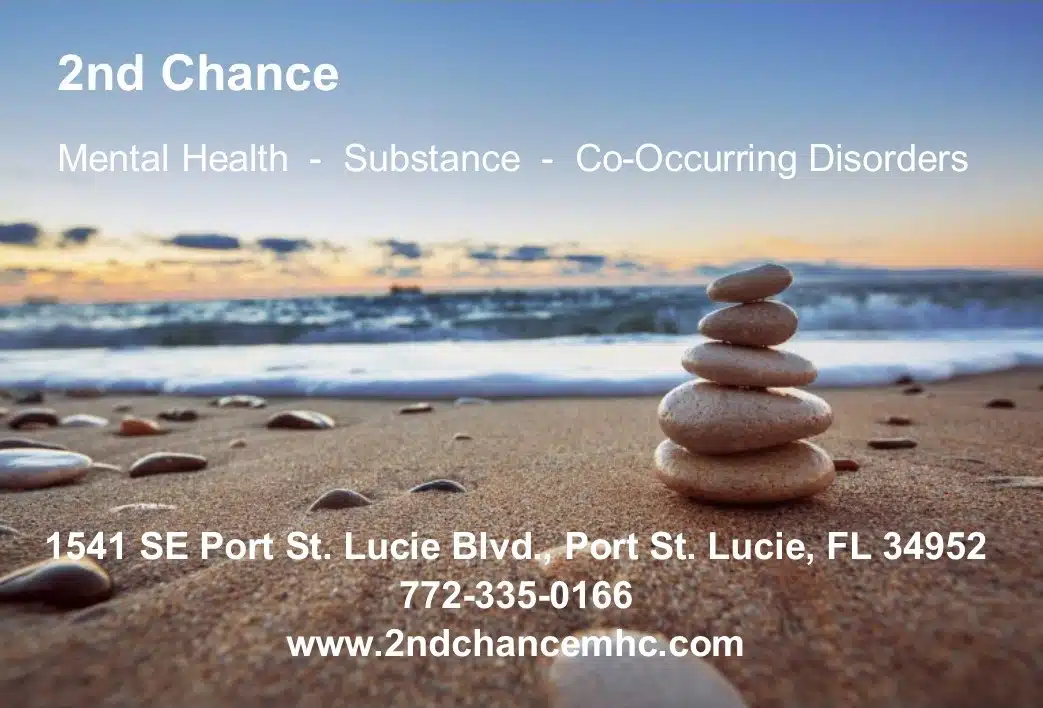
2nd Chance Mental Health Center
Port Saint Lucie, FL
2nd Chance Mental Health Center in Port Saint Lucie, FL, offers intensive outpatient and outpatient treatment for substance use and co-occurring mental health issues in adults and children. Their specialized programs cater to clients with dual diagnoses. The center provides a range of evidence-based approaches including anger management, brief intervention, and cognitive behavioral therapy. Serving both adults and young adults of all genders, this facility focuses on delivering high-quality care to support individuals on their path to recovery. If you are seeking comprehensive treatment that addresses both substance use and mental health challenges, 2nd Chance Mental Health Center is dedicated to helping you find your path to healing.
Services:
 Featured
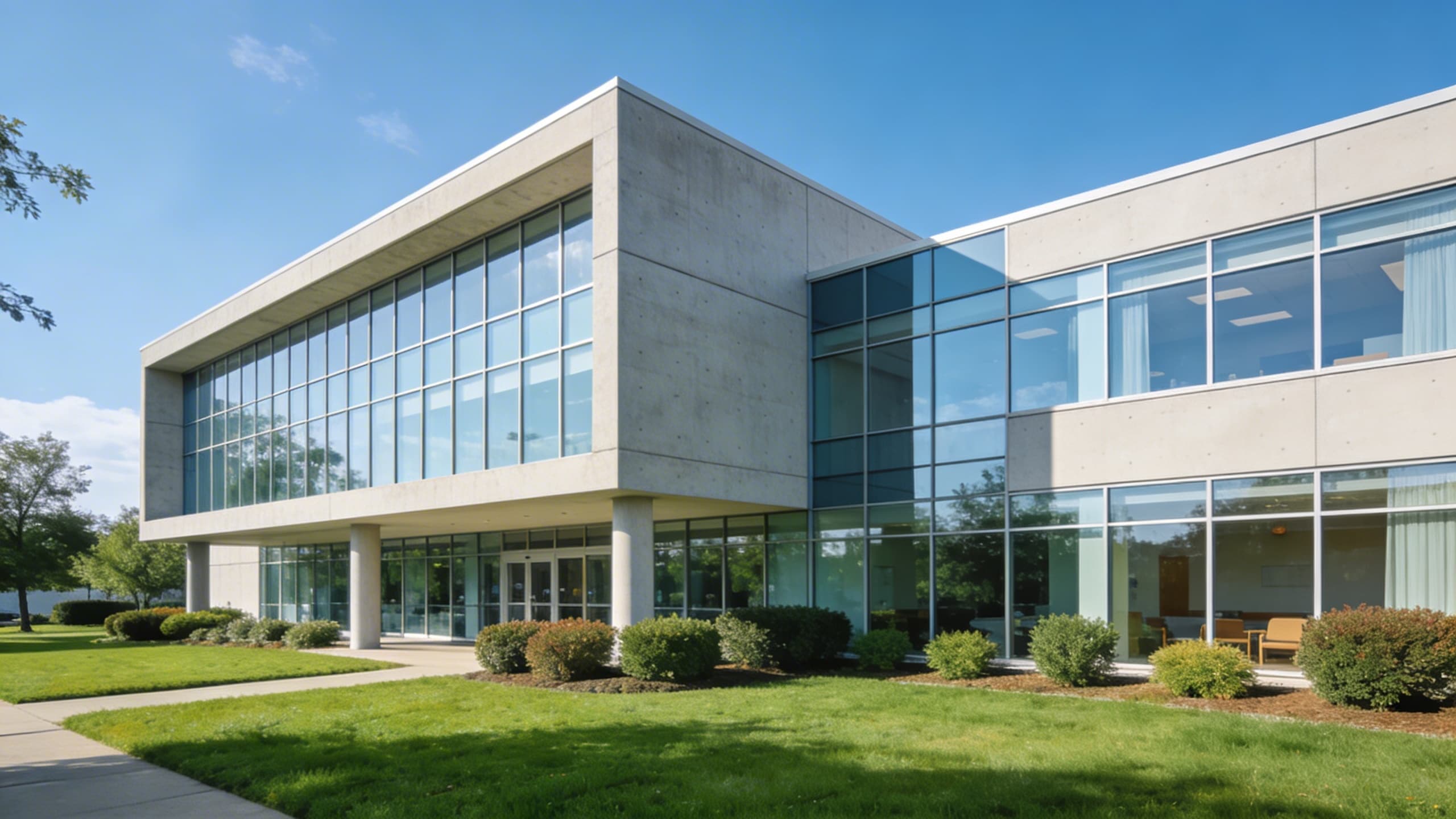
A Counseling Center
Cocoa, FL
Located in Cocoa, FL, A Counseling Center offers outpatient substance use treatment for adults dealing with co-occurring mental health issues. Utilizing approaches such as anger management, cognitive behavioral therapy, and relapse prevention, this facility provides specialized care tailored to individual needs. With programs for active duty military personnel, adolescents, and adult men, the center caters to diverse age groups and genders. The center's focus on quality care and evidence-based practices make it a reliable choice for those seeking comprehensive rehabilitation services in a supportive environment.
Services:
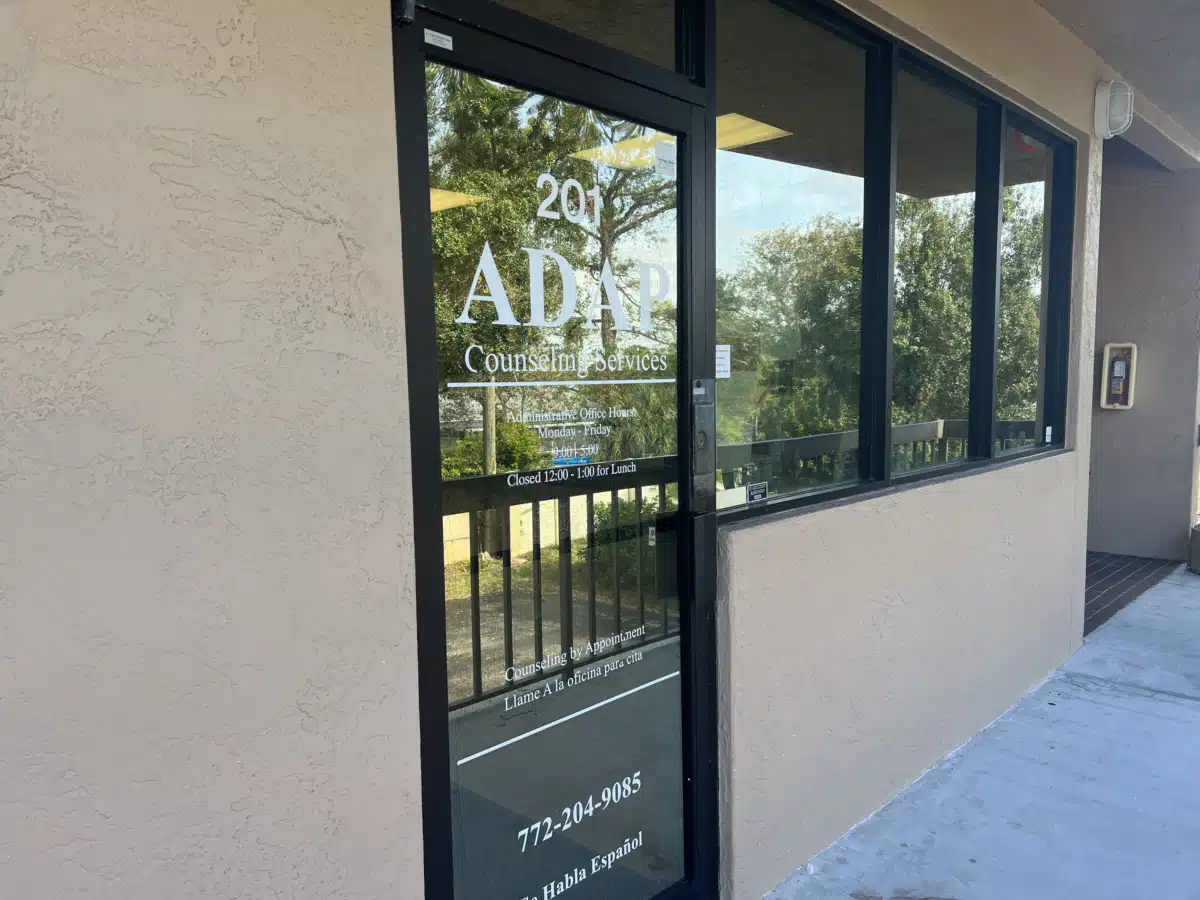
ADAP Counseling Services
Port Saint Lucie, FL
ADAP Counseling Services in Port Saint Lucie, FL, offers outpatient substance use treatment for adults and young adults. Utilizing approaches such as anger management, cognitive-behavioral therapy, and motivational interviewing, this facility provides a tailored individual approach to each client. With specialized programs catering to both male and female clients, ADAP Counseling Services ensures a comprehensive and inclusive treatment environment. The center's focus on quality care and personalized treatment plans makes it a valuable resource for those seeking effective and supportive addiction treatment services.
Services:
ADAP Counseling Services
Stuart, FL
ADAP Counseling Services in Stuart, FL, offers outpatient substance use treatment for adults and young adults. Utilizing approaches like anger management, cognitive behavioral therapy, and motivational interviewing, this facility provides individualized care for both male and female clients. The center's emphasis on tailored programs ensures that each individual receives the specific support they need for recovery. With a focus on quality care and personalized treatment plans, ADAP Counseling Services stands out as a dedicated resource for those seeking effective and comprehensive addiction treatment in the Stuart area.
Services:
AIM Target Programs Inc
Fort Myers, FL
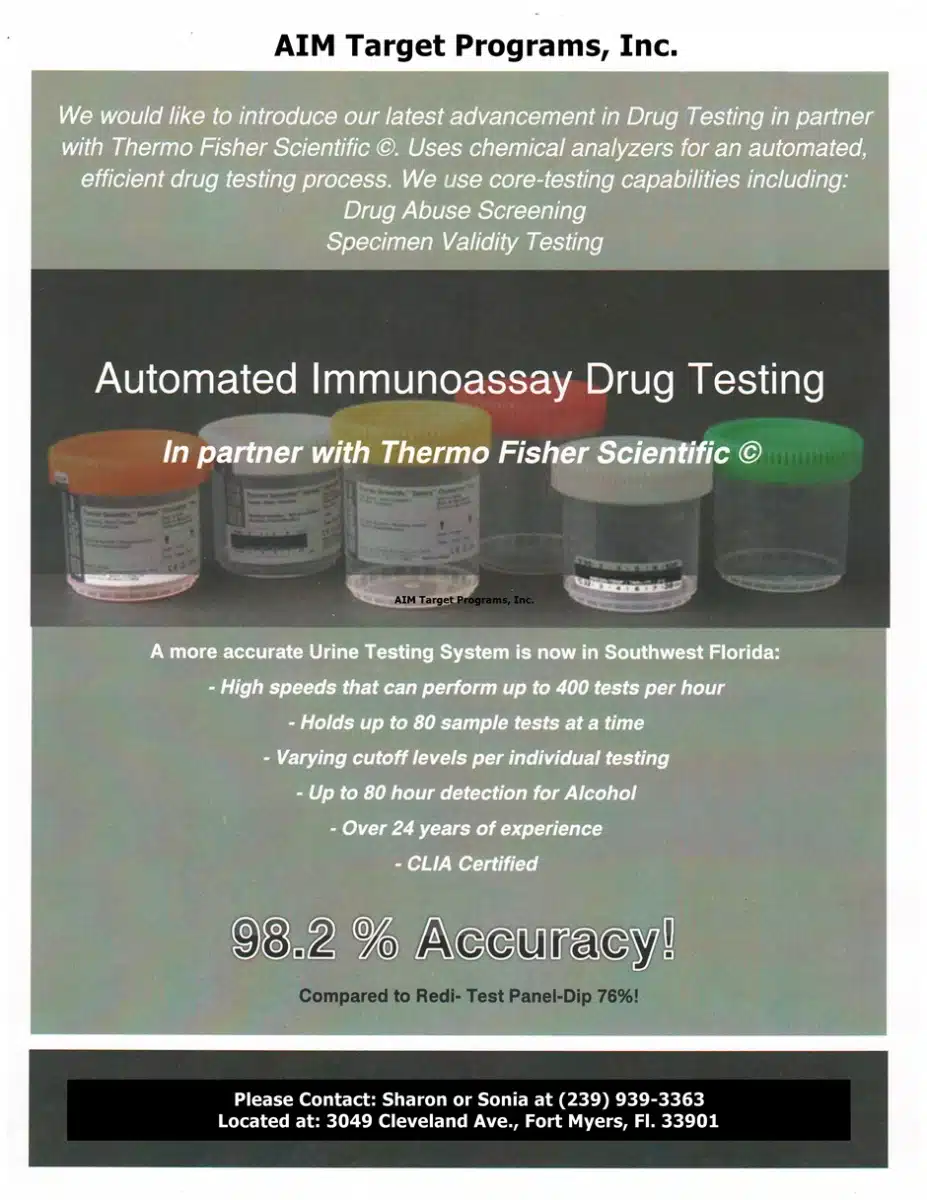
AIM Target Programs Inc, located in Fort Myers, FL, offers outpatient substance use treatment for adults and young adults. Their specialized programs cater to individuals who have faced intimate partner violence and domestic violence. With a focus on 12-step facilitation, anger management, and brief intervention approaches, this facility provides comprehensive care tailored to each client's needs. Serving both male and female clients, AIM Target Programs Inc delivers high-quality, evidence-based treatment in a supportive environment. If you or a loved one is seeking effective and compassionate addiction treatment, this center is dedicated to helping individuals on the path to recovery.
Services:

AISOL LLC
West Palm Beach, FL
AISOL LLC in West Palm Beach, FL, offers comprehensive addiction treatment services including detoxification and substance use treatment. With specialized programs for adult men, adult women, and clients with HIV or AIDS, this facility provides tailored care to meet diverse needs. Treatment formats range from hospital inpatient detoxification to residential detoxification, ensuring a continuum of care. Using evidence-based approaches like 12-step facilitation, brief intervention, and cognitive behavioral therapy, the center focuses on holistic healing. Serving adults and young adults of all genders, AISOL LLC prioritizes quality care and individualized support to promote lasting recovery.
Services:
Evidence-Based Opioid Addiction Treatment Methods
Opioid Treatment Florida features facilities employing clinically validated approaches for opioid use disorder — comprehensive opioid rehab programs integrate multiple evidence-based therapies in individualized treatment plans.
Cognitive Behavioral Therapy (CBT)
Recognizes and modifies thought habits and behaviors driving opioid use. CBT is the most extensively studied psychotherapy for opioid addiction and shows effectiveness across diverse patient populations.
Medication-Assisted Treatment (MAT)
FDA-approved opioid medications — naltrexone, buprenorphine (Suboxone), acamprosate, and methadone — alleviate cravings and prevent relapse. SAMHSA and the American Society of Addiction Medicine endorse MAT as the primary treatment standard for opioid use disorder.
12-Step Facilitation
Peer-led recovery groups (NA, AA) incorporated into clinical opioid rehab. Clinical evidence demonstrates 12-step engagement boosts 12-month recovery rates by 20–30% when paired with professional treatment.
Motivational Interviewing (MI)
A person-centered technique strengthening intrinsic drive for behavioral change. MI proves especially valuable for opioid-dependent patients resistant or doubtful about treatment entry.
Dual Diagnosis Treatment
Concurrent management of opioid use disorder alongside co-occurring psychiatric illness — anxiety, major depression, PTSD, bipolar disorder. Nearly 50% of opioid-addicted individuals also experience co-occurring psychiatric conditions.
Find Treatment by Type
Specialized programs designed to meet your unique recovery needs
Insurance & Payment for Opioid Rehab
Opioid Treatment Florida confirms that listed facilities honor most major insurance carriers, such as Blue Cross Blue Shield, Aetna, Cigna, UnitedHealthcare, Humana, and Florida Medicaid where relevant.


.svg?dpl=dpl_Gu4m5xMS5uh6E7brXrAd2uzih4bY)

Many opioid rehab centers in our directory display Joint Commission Gold Seal status or CARF accreditation — both reflect clinical excellence standards. Federal law mandates most insurers provide opioid addiction treatment parity coverage.
Frequently Asked Questions About Opioid Rehab
Individuals seeking opioid treatment most commonly ask about expenses, program length, insurance approval, and outcome rates — here are substantive responses.
How long should you be in rehab for opioid addiction?
Medical detox lasts 3–7 days. Residential opioid rehab typically spans 28–30 days. Gold-standard residential treatment extends 60–90 days. Intensive outpatient (IOP) opioid programs run 8–12 weeks. Extensive research shows 90-day opioid rehab produces markedly superior outcomes versus 28-day programs for moderate-to-severe opioid use disorder. MAT continuation and aftercare engagement determine long-term success.
How long is opioid detox in Florida?
Opioid withdrawal typically emerges within 6–24 hours of the final use, peaks at 48–72 hours, and resolves within 7–10 days. Medical opioid detox in Florida minimizes withdrawal suffering through FDA-approved medications like buprenorphine or methadone, which can eliminate symptoms immediately. Medication-assisted detox dramatically boosts completion and program continuation compared to non-medication detoxification.
What is the recovery rate for opioid addiction?
Research documents 40–60% sustained recovery (1+ year abstinence or controlled use) when opioid treatment integrates MAT, behavioral therapy, and 12-month aftercare. Recovery rates drop significantly without MAT or with shorter treatment spans. Medication-assisted treatment cuts overdose death risk in half compared to non-medicated approaches. Florida opioid rehab programs with strong family engagement and continuing outpatient care show the highest sustained recovery metrics.
How successful is rehab for opioid addiction?
Evidence-based opioid rehab achieves 40–60% sustained recovery outcomes when patients complete 90+ days of care, receive MAT when indicated, engage in ongoing therapy, and participate in peer support. Success determinants include treatment duration, medication adherence, co-occurring condition management, family involvement, and aftercare engagement. Florida programs offering integrated dual diagnosis care and community-based follow-up demonstrate notably higher success rates than shorter, non-medicated interventions.
Opioid Addiction by the Numbers
Understanding opioid epidemic scope nationally and in Florida highlights the critical need for accessible treatment options.
Americans aged 12+ with substance use disorder (SAMHSA, 2023)
Drug overdose deaths nationally in 2022; opioids involved in 68% (CDC)
Sustained sobriety rate with evidence-based opioid treatment and ongoing support
Of opioid-dependent individuals receive any opioid addiction treatment (NIDA)
Sources: SAMHSA 2023 NSDUH, CDC WONDER Database, National Institute on Drug Abuse

Understanding Opioid Use Disorder
Opioid addiction affects approximately 2.7 million Americans, with opioid-involved overdose deaths surpassing 68% of all drug-related fatalities (CDC, 2023). Medical detoxification, medication-assisted treatment (MAT), and evidence-based behavioral therapy together achieve 40–60% sustained recovery at one year. Professional opioid rehabilitation represents one of the highest-impact medical interventions for chronic medical conditions.

How Opioid Treatment Florida Connects You With Verified Opioid Care
Opioid Treatment Florida manages the most thorough verified directory of opioid treatment facilities, cross-referenced with SAMHSA's Treatment Locator, NIH research databases, and Florida state licensure records. Each opioid rehab center is vetted for current credentials, accepted insurance carriers, accreditation credentials, and research-supported opioid treatment offerings. Our 24/7 licensed counselors deliver free, private guidance — without any enrollment obligations.
How We Verify Opioid Rehab Center Listings
Opioid Treatment Florida maintains a current directory of opioid treatment facilities — every listing undergoes rigorous cross-verification against authoritative data sources to guarantee accurate, up-to-date information.
SAMHSA Treatment Locator
The Substance Abuse and Mental Health Services Administration curates the official national registry of licensed opioid treatment facilities.
NIH Behavioral Health Databases
National Institutes of Health evidence sources validate opioid treatment methods and facility performance metrics.
Florida Department of Children and Families
Florida state licensing verification confirms each facility holds current licensure for opioid addiction treatment.
CARF / Joint Commission
Accreditation standing is authenticated for centers claiming CARF or Joint Commission recognition.
Opioid Treatment Florida rejects payments from opioid rehab facilities for priority listings or placement bonuses. Every listing is algorithmically ordered by validated data — including accreditation status, honored insurance, available opioid care levels, and treatment methodologies offered.
Real Stories from Our Users
Authentic accounts of individuals who located opioid treatment via our directory.
“I discovered my opioid rehab facility through this directory in under 20 minutes. Following 15 years of struggling with heroin, I finished a 60-day residential program and am now 16 months clean.”
James R.
Miami, FL
“The insurance verification process was a game-changer. I didn't realize Florida Medicaid paid for IOP. The counselor explained everything step-by-step.”
Amanda L.
Jacksonville, FL
“As the parent of an opioid-addicted son, I was terrified. The 24/7 helpline connected us with a dual diagnosis program addressing both his heroin dependency and depression.”
Carol D.
Tampa, FL
Florida Opioid Treatment Support and Resources
Financial barriers shouldn't block opioid recovery. Florida and federal programs deliver cost-free and reduced-cost opioid treatment options.
SAMHSA National Helpline
Unrestricted, private, round-the-clock opioid treatment referrals and guidance. Dial 1-800-662-HELP (4357).
Florida Department of Children and Families
Florida-administered substance use disorder programs offering free or sliding-scale opioid treatment. Contact your regional office for enrollment.
Crisis Text Line
Message HOME to 741741 to speak with a crisis counselor. Free, 24/7, private.
988 Suicide & Crisis Lifeline
Call or text 988 for immediate opioid crisis support and mental health guidance. Free, 24/7.
Why Opioid Treatment Florida Is Florida's Premier Opioid Recovery Resource
SAMHSA-Verified Opioid Directory
Opioid Treatment Florida verifies every opioid treatment facility against SAMHSA's Treatment Locator and confirms valid Florida licensure.
No Facility Placement Fees
Opioid rehab centers cannot purchase ranking priority. All results are ranked by objective data — not facility advertising budgets.
24/7 Licensed Opioid Counselors
Our addiction specialists provide free, private support and can match you with an insurance-appropriate opioid program within 24 hours. Phone +1 (888) 555-0199.
Full Treatment Transparency
Listings show insurance accepted, opioid care levels (medical detox, residential, IOP, outpatient), accreditation, and evidence-based opioid treatment methods.
Editorial Policy
Opioid Treatment Florida is an impartial opioid treatment directory. We decline payment from facilities for rankings or listing placement. All listings are ranked via objective standards: confirmed SAMHSA registration, current Florida licensure, insurance plans honored, and available opioid care levels. Content is reviewed by a licensed addiction specialist and updated quarterly.
Sources Used on This Page
- SAMHSA (2023). National Survey on Drug Use and Health. U.S. Department of Health and Human Services.
- National Institute on Drug Abuse (NIDA). Opioid Use Disorder Overview. NIH, 2024.
- American Society of Addiction Medicine (ASAM). The ASAM Criteria: Treatment Criteria for Addictive, Substance-Related, and Co-Occurring Conditions, 2023.
- Timko, C., et al. (2021). Medication-Assisted Treatment for Opioid Use Disorder in the United States. Journal of Addiction Medicine.
Medical Disclaimer
Opioid Treatment Florida is an informational directory and referral service, not a licensed treatment provider. All material is reviewed by board-certified addiction specialists and derived from SAMHSA, NIH, and state-licensed opioid treatment facilities. This information does not replace medical advice, diagnosis, or care. All interactions follow HIPAA privacy regulations. Medical emergencies require 911. For opioid treatment assistance, contact SAMHSA's National Helpline: 1-800-662-HELP (4357), available 24/7, cost-free, and confidential.
Prepared to Begin Your Opioid Recovery?
Our compassionate recovery specialists are available 24/7 to match you with exceptional opioid treatment. Your call remains fully private and at no cost.
No obligation • 100% Confidential • Available 24/7